The Character Designer profession: definition and objectives
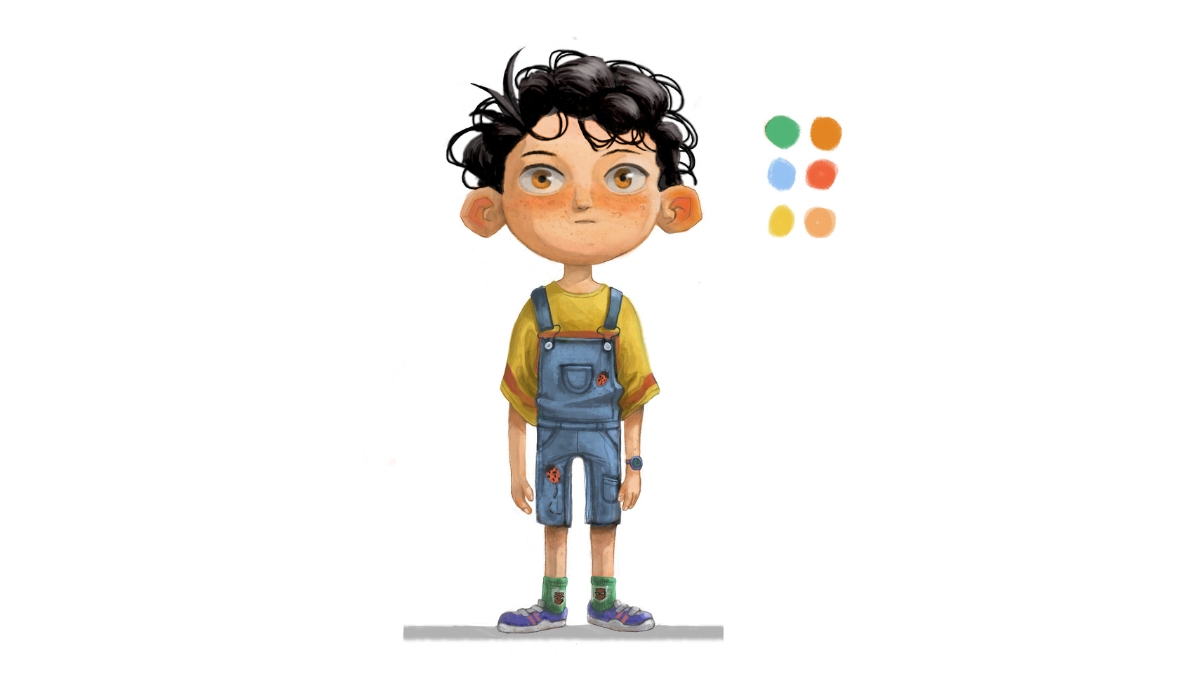
The character designer is responsible for the visual creation of the characters: proportions, faces, silhouettes, attitudes, costumes, accessories, expressions… Everything that allows a character to be identified at first glance and to understand who he is.
What good character design should "carry"
- A role (hero, antagonist, comic relief, mentor, etc.)
- A personality (shy, arrogant, clever, fragile, etc.)
- A context (era, culture, social class, etc.)
- A function in the story (what they do, how they act)
- Consistency with the overall style of the project
Daily tasks
Depending on the studio, the job title may vary (Character Designer, Concept Artist Character, Visual Development Artist…), but the tasks often follow the same logic.
Research and exploration
- Analysis of the brief, script, and artistic references
- Mood boards and documentary research (anatomy, clothing, culture, animals, materials…)
- Quick silhouettes (thumbnails) to test different directions
Creation and iteration
- Series of proposals for the same character (variations)
- Choice of a design language (round/angular, simple/complex, etc.)
- Research into outfits, accessories, hairstyles, and identifying details
- Discussions with the art direction team and adjustments
Production of usable "sheets"
- Turnaround (front/profile/back + 3/4)
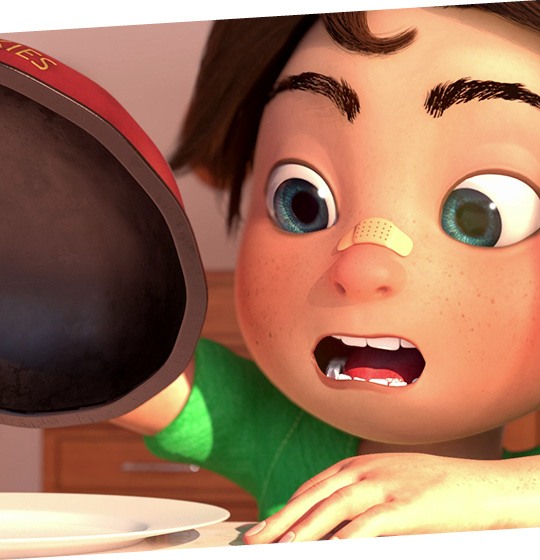
- Expression sheets
- Key poses/acting (attitude, gestures, energy)
- Sometimes: indications of materials, volumes, technical constraints
Key deliverables expected in the studio
A character designer is evaluated as much on artistic quality as on the clarity of the documents.
- Silhouette sheet: immediate readability, variety of profiles
- Model sheet / turnaround: clean, reproducible proportions
- Expression sheet: emotional range, facial consistency
- Costume sheet: variations, accessories, useful details
- Technical notes (depending on pipeline): elements to retain in 3D, deformation limits, legibility from a distance
Essential skills
Artistic skills
- Anatomy (human and/or animal)
- Perspective, volume, light, materials
- Composition and design of forms
- Observation: posture, gestures, acting
Narrative skills
- Understanding of the character: arc, motivations, psychology
- Consistency with the tone (comedy, adventure, drama, young adult…)
Technical skills
- Proficiency in 2D tools (digital illustration)
- Understanding of 3D pipelines (to create "producible" designs)
- Ability to deliver clean, legible, and standardized storyboards
Which sectors are recruiting character designers?
- Animated films and series (2D/3D)
- Video games (concept characters, stylized or realistic)
- Animated advertising and branded content
- Children's publishing (illustrated projects)
- Stop motion (where volume and production constraints are extremely important)
Character designer salary: what to expect?
Income varies considerably depending on the country, the type of studio (indie/large studio), employment status (employee/freelancer), experience level, and the rarity of the style.
At the beginning of a career, it's common to start with junior projects, sometimes straddling the line between concept and design, and then progress to more specialized roles (Senior Character Designer, Lead Character Designer, Visual Developer, etc.).
How to become a Character Designer: studies and career path
There is no single path, but one constant: a solid portfolio and the ability to deliver “studio-ready” documents.
Typical stages of progression
- Fundamentals: drawing, observation, volume, composition
- Specialization: character design, acting, style, visual storytelling
- Understanding the pipeline: production constraints, readability, iteration
- Portfolio: turnarounds, expressions, research, stylistic consistency
- Projects: short films, teamwork, briefing exercises + feedback
Focus: Which MoPA courses lead to character design?
Several courses offered by MoPA allow students to develop the skills expected for character design, notably through progressive learning of the fundamentals, dedicated courses and project-oriented pedagogy.
The 3D Animation Film Program (5-year course)
The program includes character design among its core subjects from the very beginning, and continues throughout the course for several years, reflecting a gradual development of skills: fundamentals → practice → specialization. The curriculum's structure (fundamentals cycle followed by specialization cycle) aligns with the demands of the profession: character design requires a solid foundation (drawing, volume, acting) before aiming for advanced page production and a studio-oriented portfolio.
Within the specialization cycle, the Image Option most closely resembles visual development roles: it includes content related to concept art and character design, essential for building a character creation portfolio.
Learn more about the 3D Animation Film Program at MoPA
The Stop Motion Program
The stop-motion curriculum mentions character design within the art direction track (along with concept and environment design). This path may suit someone drawn to:
- designing characters conceived in three dimensions
- materiality (textures, materials, fabrication)
- the coherence between design and production constraints (models, puppets, stop-motion animation)
Discover the Stop Motion program
The prep course / the fundamentals
To aim for character design, a step of consolidating the basics (drawing, observation, volume, storytelling) is particularly useful, because the profession requires a high degree of regularity, especially regarding anatomy and readability.
Gain a solid foundation in character design with our Preparatory year
Portfolio: what a recruiter wants to see
A character design-oriented portfolio must prove two things: creativity and style, and the ability to produce for a pipeline.
Essential inclusions
- 2 to 4 fully developed characters: research → final design → turnaround
- expression and pose sheets (acting)
- variations (costumes, ages, body types)
- stylistic consistency and clean artwork
To avoid
- too many illustrations without production documents (e.g., no turnaround)
- illegible/unreproducible artwork
- inconsistent anatomy from one image to the next
FAQ
1. Character designer, concept artist, visual development: what's the difference?
The character designer focuses on the character (identity, readability, usable storyboards), while concept art and visual development often cover the broader universe (atmospheres, settings, props, overall style). The boundaries vary from studio to studio.
2. Do you need to know how to do 3D to be a character designer?
It is not always mandatory, but understanding the constraints of 3D production helps to create "animatable" and consistent designs.
3. Which MoPA path is best suited for character design?
The 3D Animation Cinema program with a focus on the Image option is generally the most directly aligned. The Stop Motion program can also be suitable for a "volume and material" approach.
Apply now to become a Character Designer with MoPA


 Brochure
 Get in touch
 Apply
Apply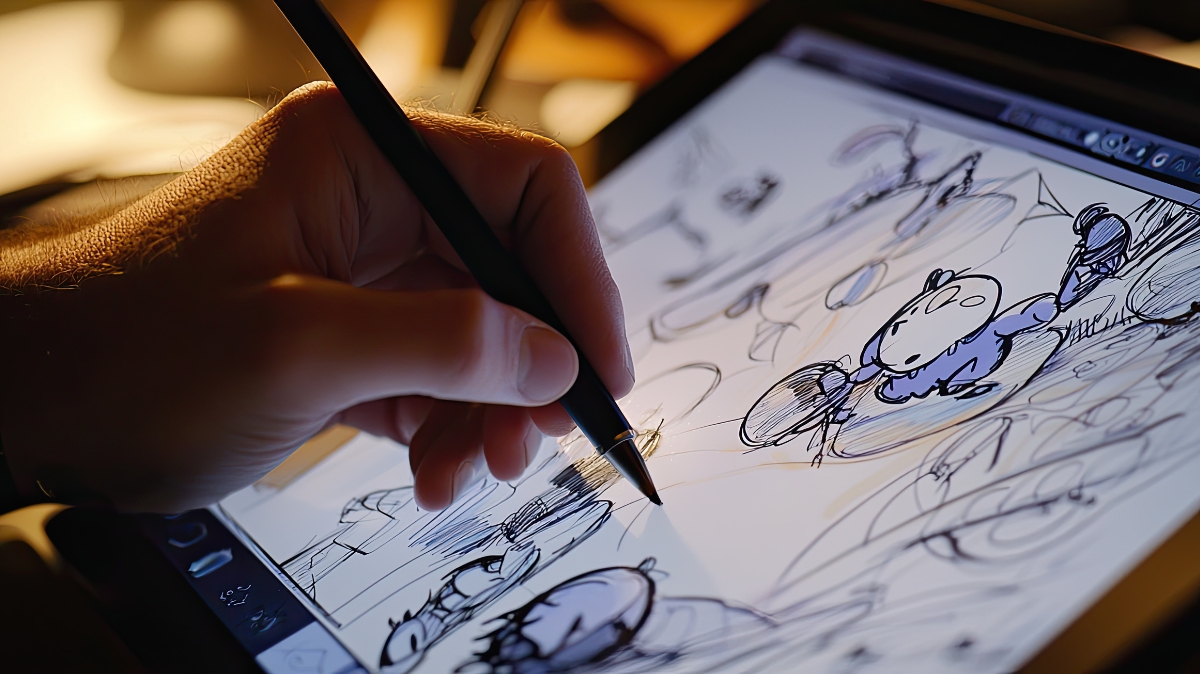
.jpg)
.jpg)