Brochure
 Get in touch
 Apply
ApplyHow Is a 3D Animated Film Made ?
PRE-PRODUCTION: Laying the Foundations of the Film
Pre-production is the phase in which an idea becomes a concrete project. This stage is essential: it ensures artistic coherence and serves as a roadmap for the entire production.
It brings together all the creative thinking and design work required to prepare a 3D animated film.
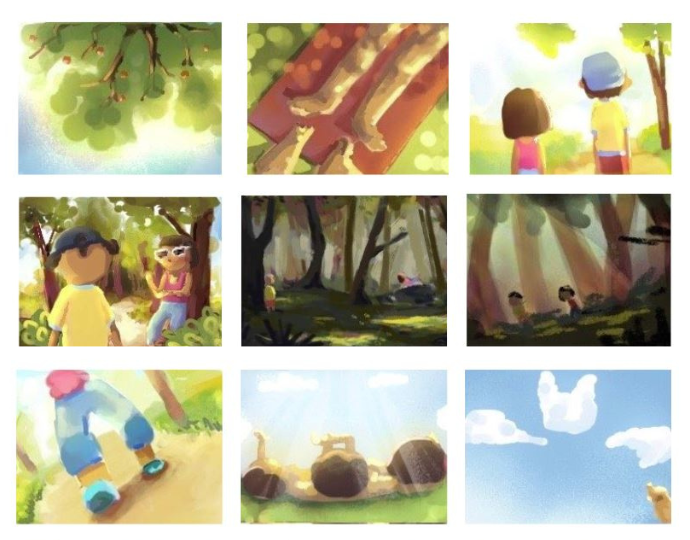
The main stages of pre-production include:
-
The screenplay : this is where the story, dialogue, tone, and message are created. Everything begins with an idea and a script—this is the literary foundation of the film.
Next comes the visual interpretation of this idea through cinematic writing, which includes: - The storyboard : this is the visual representation of each shot, designed to plan the narrative. It provides an initial sense of the visual style, framing, and composition. This is a key step, as a single script can be interpreted through many different cinematic approaches. The storyboard translates the original idea of the film into detailed visual form.
- The animatic : created by the layout artist, the animatic is an animated edit of the storyboard that helps refine transitions and staging. Voices and music can be added to establish the desired rhythm of the film. The animatic makes it possible to make decisions about shot selection, framing, and scale. It is a vital tool for continuing pre-production, particularly for visual development.
Visual development also includes several additional stages:
- The character design : defining the visual appearance of characters based on their character bible, including physical, sociological, and psychological traits.
- The concept artist : a more global approach that focuses on environments, overall atmosphere, and props that help define the story.
- The color board : the film’s color vision. Once completed, it reveals the atmosphere and emotional tone of the project.
PRODUCTION: Bringing the Characters to Life
Once the brief is finalized during pre-production, the artistic direction is clearly defined. The next step is to bring it all to life.
Production begins with the modeling of characters, environments, and props.
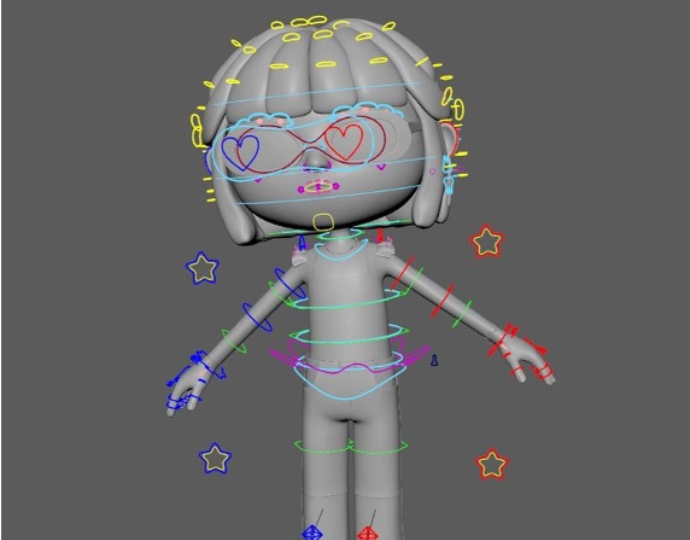
3D modeling involves :
Turning 2D drawings into three-dimensional volumes.
Creating characters, environments, objects, and props before moving on to texturing—this stage is known as look development.
-
Preparing models for animation through rigging, which involves adding a skeleton and animation controls. The rigger creates these structures according to predefined anatomical rules. Using these controls, animators can bring characters to life like puppets.
This is the stage where the 3D animated film truly takes shape, giving physical form to the elements imagined during pre-production.
Next, tests are carried out so that animators can animate each shot of the film. Animation is undoubtedly the most iconic stage of a 3D animated film.
Animators bring characters to life by respecting the principles of movement, emotion, and the narrative intent of each shot.
They work on:
Character acting. At MoPA, students also take acting classes throughout their studies to better define characters’ animation intentions.
Facial expressions
Movement, gestures, and interactions
The fluidity and credibility of motion
Each shot is carefully animated frame by frame until it becomes expressive, believable, and coherent.
These 3D scenes are then transformed into final images. Rendering is the stage in which a 3D scene becomes a finished 2D image using a rendering engine.
This phase includes:
Lighting
Materials and textures
Shadows, reflections, and atmosphere
Final image calculations
Depending on the complexity of the film, rendering can take several hours per frame. This is a crucial stage in defining the film’s final visual aesthetic.
POST-PRODUCTION: Enhancing the Film
Post-production includes everything that happens after rendering.
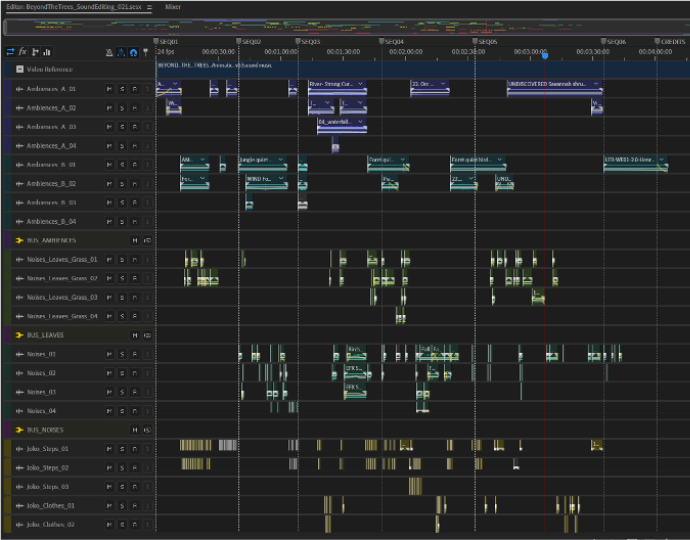
This stage includes :
Visual effects (VFX): particles, smoke, explosions, magic, fluid simulations, and more. Simulation tools are used to animate elements such as wind in hair or cracking ice. MoPA is recognized as a leading school in the use of Houdini, a software widely used in major visual effects and 3D animation productions.
Color grading: color correction to unify and refine the visual atmosphere.
Compositing: assembling the various layers (effects, lighting, atmosphere, depth) to create a cohesive final image.
Sound design: music, sound effects, mixing, and voices. Sound and music are essential dimensions of storytelling. At MoPA, students learn how sound and music contribute to screenwriting, depending on the level of tension and emotion desired in the film.
This final stage transforms a collection of shots into a fully completed 3D animated film, ready to be screened!
Discover all the careers in the Production Pipeline
Conclusion: Learning How to Create a 3D Animated Film at MoPA
Creating a 3D animated film requires a deep understanding of every stage of the production process, as well as strong artistic and technical skills.
At MoPA, students are trained across the entire production pipeline, from pre-production to post-production, through a hands-on teaching approach and ambitious team-based projects.
Interested in joining a 3D animation school recognized worldwide for the quality of its films?
MoPA supports each talent on the path to a creative and rewarding career in the animation industry.